
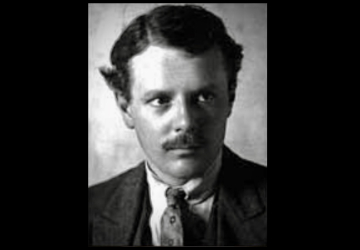
Terence Rattigan
(1911-77)
Playwright, one of Jolly’s wartime lovers.
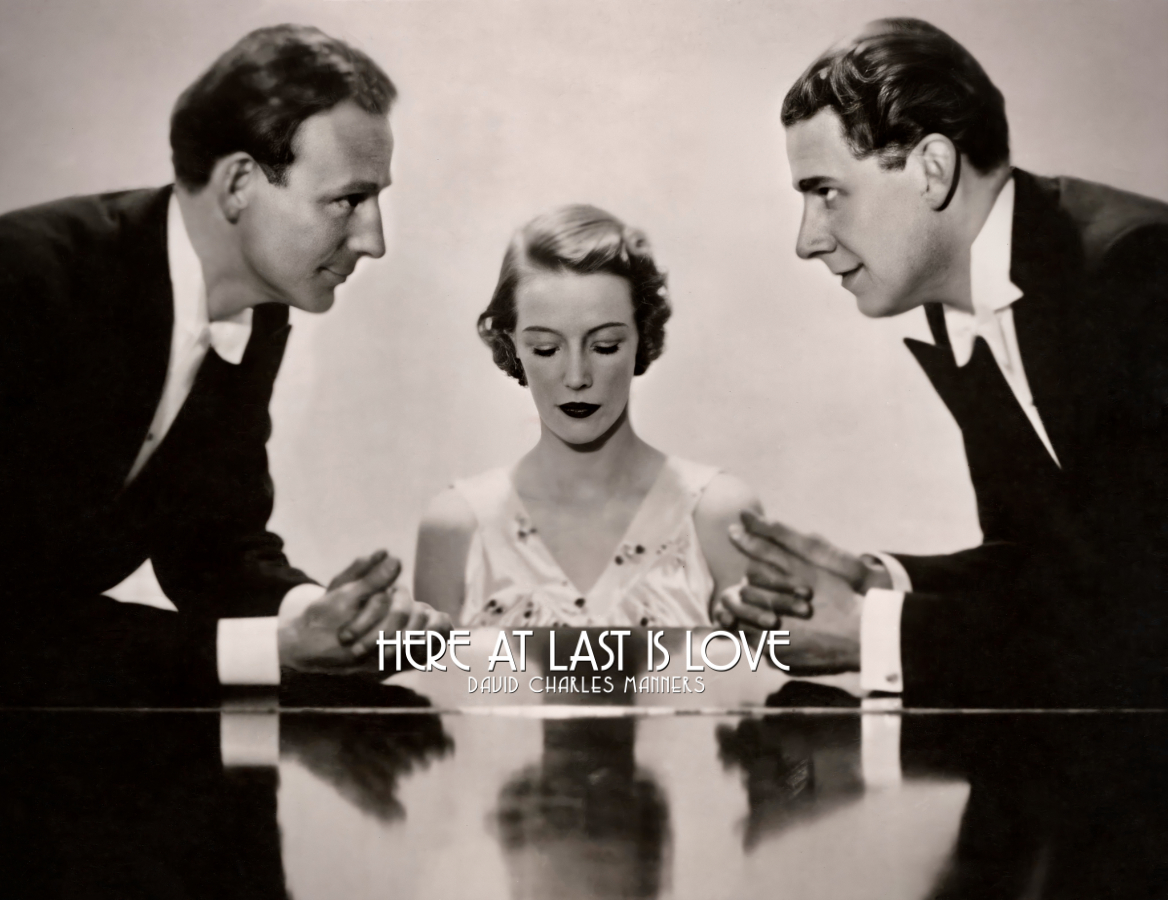
Here at Last is Love has personal meaning for David.
In 2017, he inherited a set of remarkable letters preserved by a long-time friend, Pat Jolly, who served in the Welsh Guards. Each one had been written during the Second World War by a culturally significant gay man.
It is the fulfilment of Pat Jolly’s last wish that the intimate friendships which sustained him through these traumatic years should not be forgotten and their secret stories finally shared, not only to educate and inform the general public, but to foster in the LGBTQ+ community a greater sense of its own heritage, cultural significance and self-worth.

Pat Jolly (1921-2017)
It’s delicious – funny and touching and very skilfully fashioned – the mixture of music and verse and dialogue and general outrageousness.
Simon Callow
Here at Last is Love is a story so ripe for the telling, a story of kindness and humanity. It needs to be told.
Dame Harriet Walter
A fascinating piece of gay history. The fact this is based entirely on direct personal experience, a necessarily secret history, makes it all the more poignant and delicious. I can’t wait to see it.
Sir Matthew Bourne, choreographer

The letters expose the pressure these men were under to keep their illegal sexuality hidden, whilst revealing the rich, joyful lives and loves they pursued in private that sustained them through the horrors of active service.
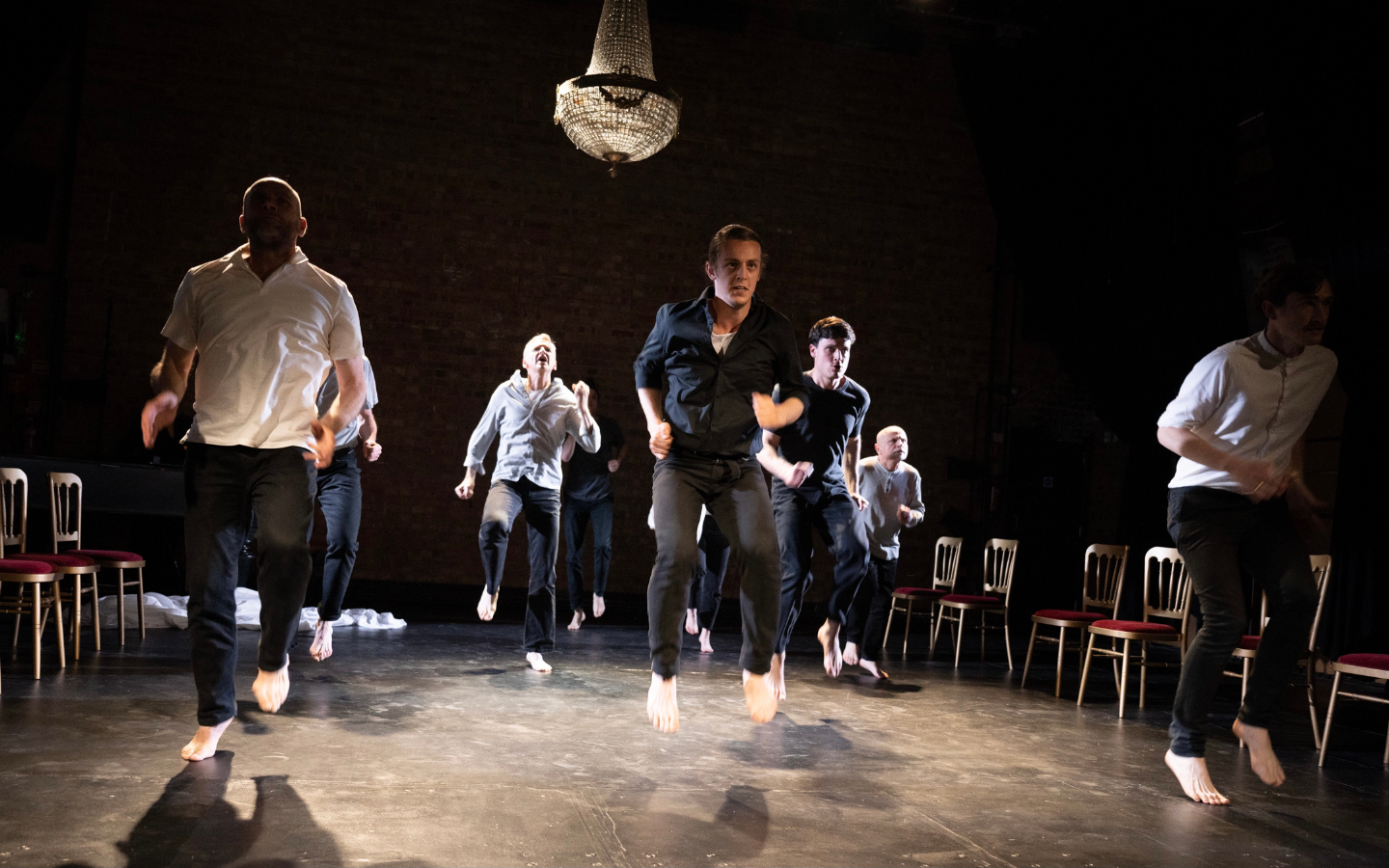
David has combined the candid content of these letters with the memories of Jolly’s circle for a new stage play, written in the style of a revue of the period.
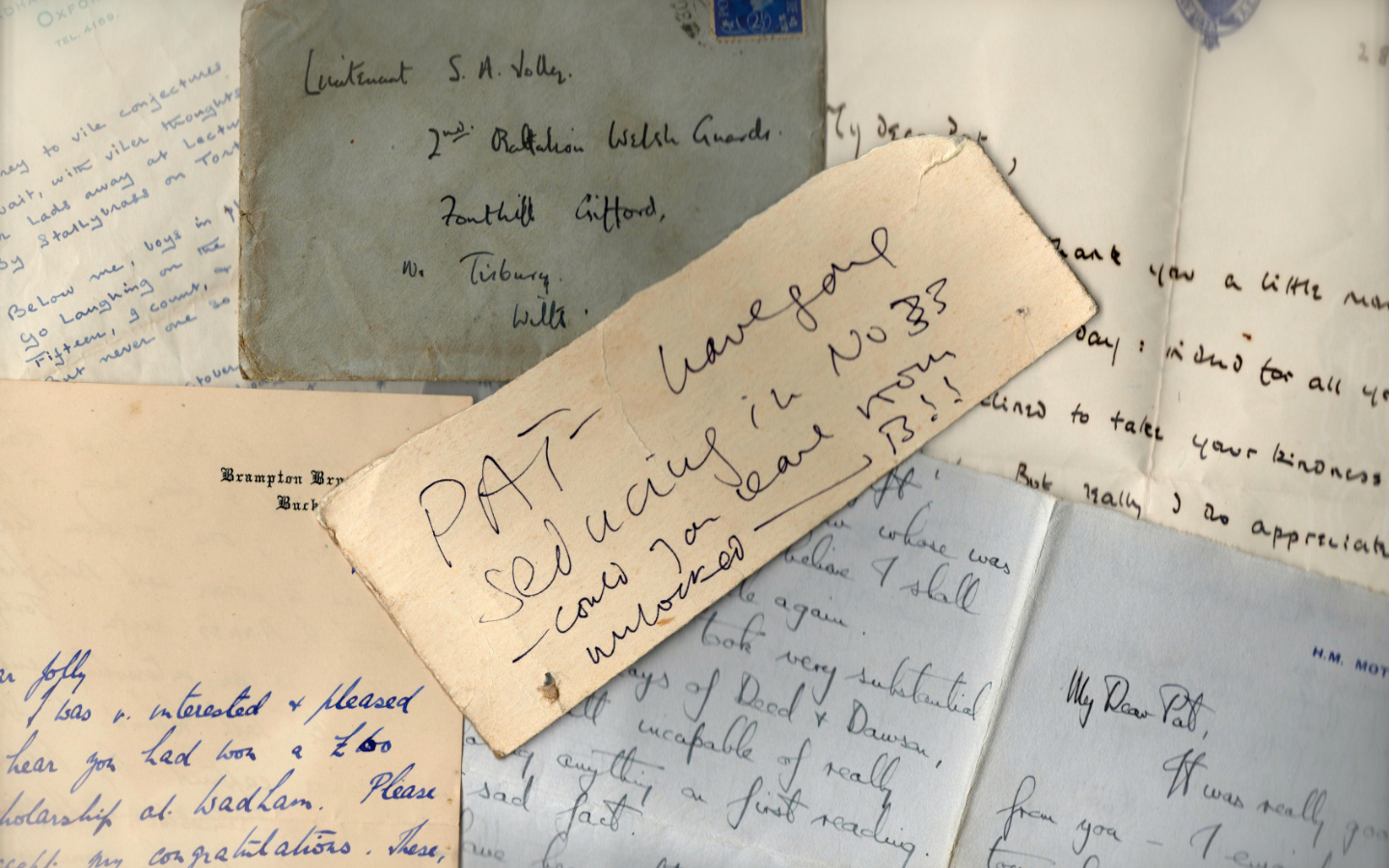
Here at Last is Love is a story so ripe for the telling … It needs to be told.
– Dame Harriet Walter, actor
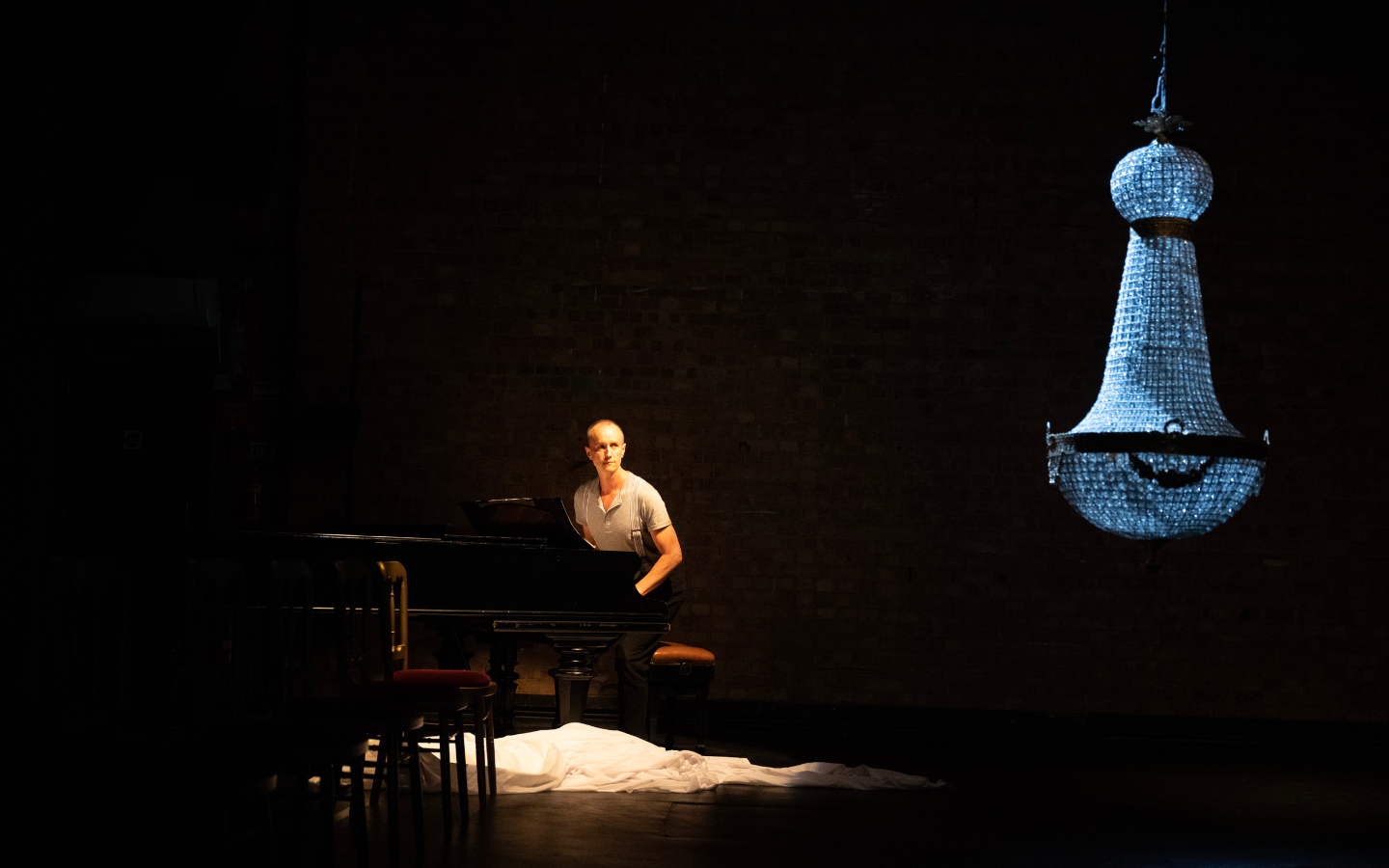
The play is set in the Pink Sink – the basement bar of the Ritz Hotel on Piccadilly, where Jolly and his letter-writers found friendship and solace on leave during the London Blitz, 1940-41.
This ‘Ritz beneath the Ritz’ was a haven throughout the war for an intimate set of gay artists, writers, MI5 agents, army officers and actors in “military drag".
Funny, moving, fast-paced, entertaining and stylish. The music is wonderful. Here at Last is Love deserves as wide an audience as possible.
– Melanie McFadyean, journalist
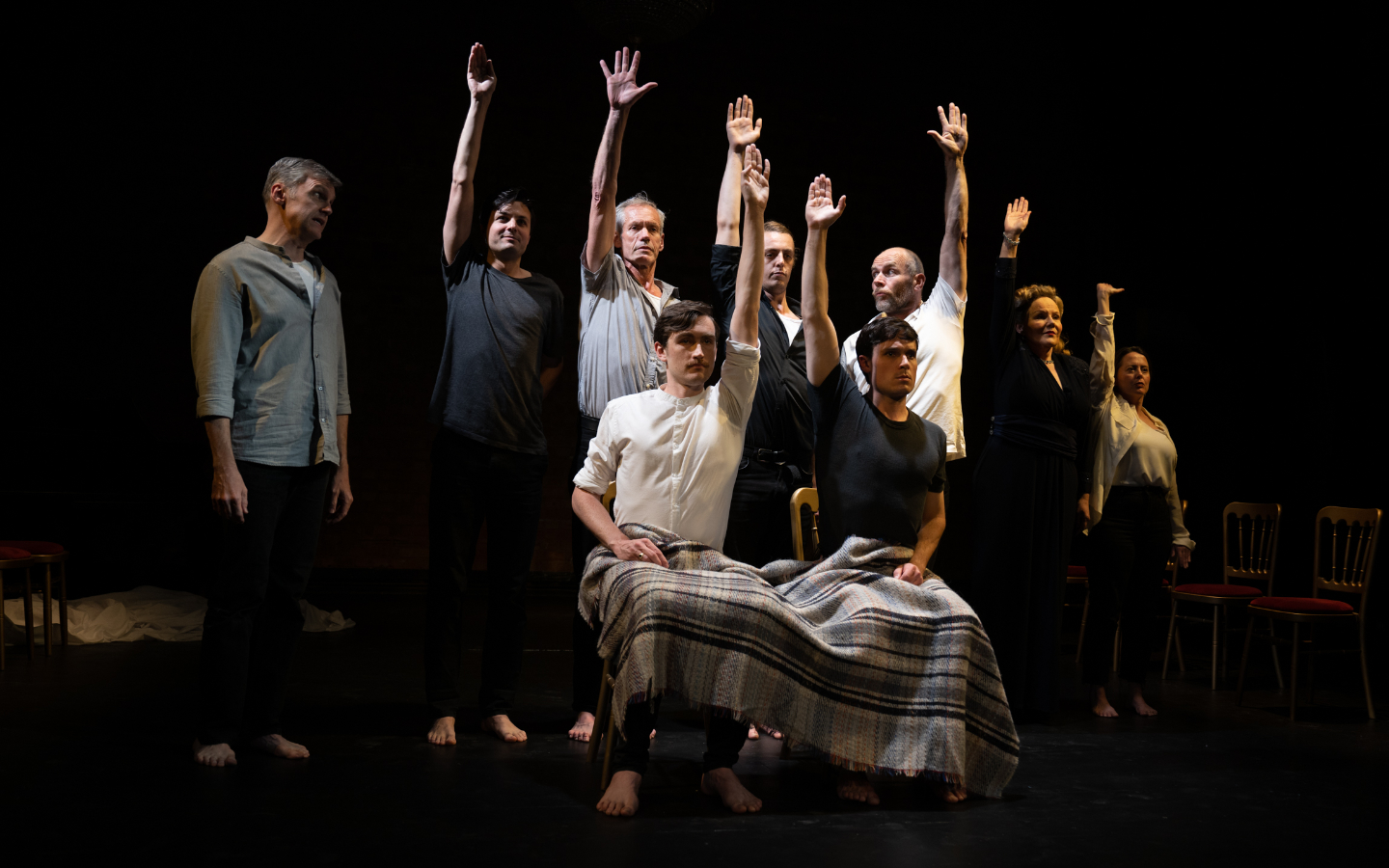
Move over each picture to reveal names
(1911-77)
Playwright, one of Jolly’s wartime lovers.
(1886-1968)
M.P., husband of Vita Sackville-West.
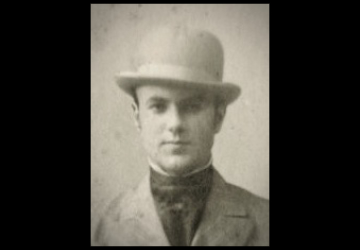
(1904-94)
Writer, aesthete, originator of Oxford Bags.

(1919-99)
One of Churchill’s bodyguards and another of Jolly’s lovers.

(1926-2017)
Actor and radio-presenter – the “heart-throb doctor" in ITV's first soap opera, Emergency Ward Ten. Jolly’s greatest wartime passion.

(1912-76)
Screenwriter, ‘the gay godfather of James Bond’.
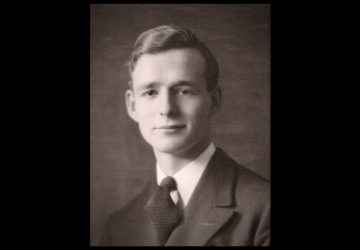
(1903-87)
Cabaret singer and actor – later, the ‘Brigadier’ in Dad's Army.
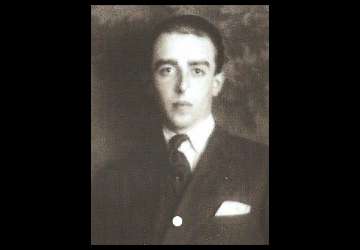
(1905-58)
Poet, inspiration for Waugh’s ‘Anthony Blanche’ in Brideshead Revisited.
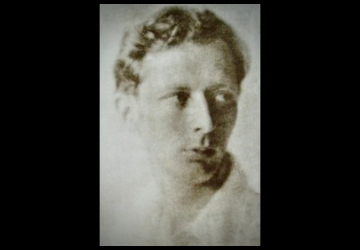
(1893-1949)
Occultist and Chamberlain to two Popes.
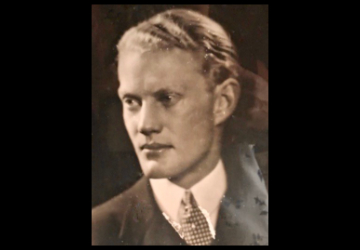
(1905-55)
M.P., of Herstmonceux Castle in Sussex.
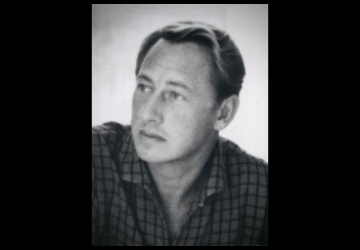
(1913-85)
American travel writer and interior designer.

(1891-1965)
City stockbroker by day, club pianist at night.
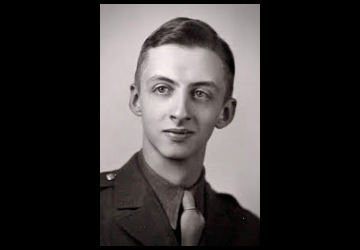
(1918-75)
‘The greatest forgotten American poet of the 20th-century’.
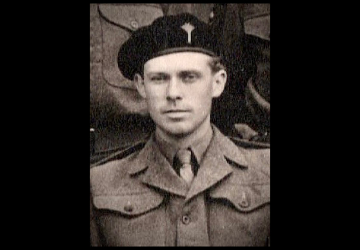
(1917-99)
Introduced Jolly to London’s gay scene during the war. The public reaction to the later conviction of Michael and friends for ‘serious offences with male persons’ prompted the Wolfenden Report. This in turn led to the decriminalisation of homosexuality in England and Wales, in 1967.
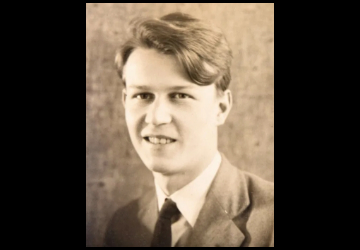
(1916-2008)
BBC studio assistant.
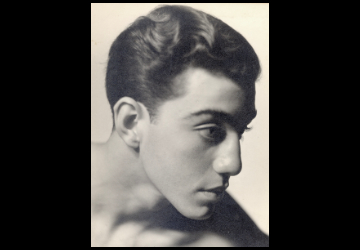
(1920-2011)
'unabashed lifelong idler'
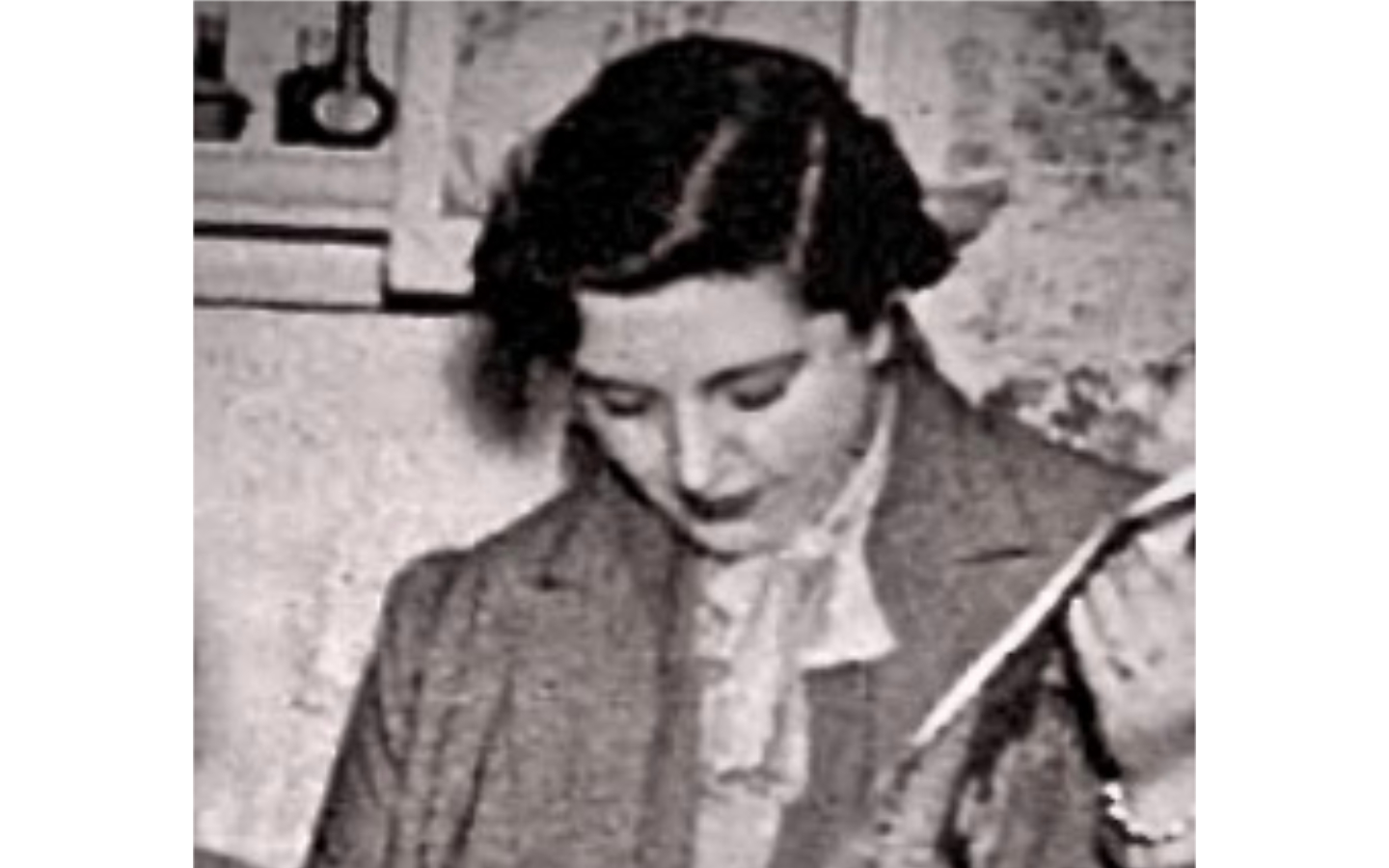
The Pink Sink was ruled by Edomé Theodosia Johnson née Monson (1903-65), affectionately known as Sodomy Johnson, the Buggers’ Vera Lynn.
Edomé descended from the ducal Manners family, yet was penniless and homeless by the war. She was one of very few to stand by Sir William Lygon (1872-1938) when he was banished from Britain in 1931 for ‘criminal acts of indecency’ with his valet and lover, George Roberts.
Edomé would later model for Lucian Freud (1922-2011), when he was the lover of artist Michael Wishart (1928-96), a schoolmate of the playwright’s mother.
A delicious and riveting premise for an evening in the theatre.
Susi Wooldridge, actor
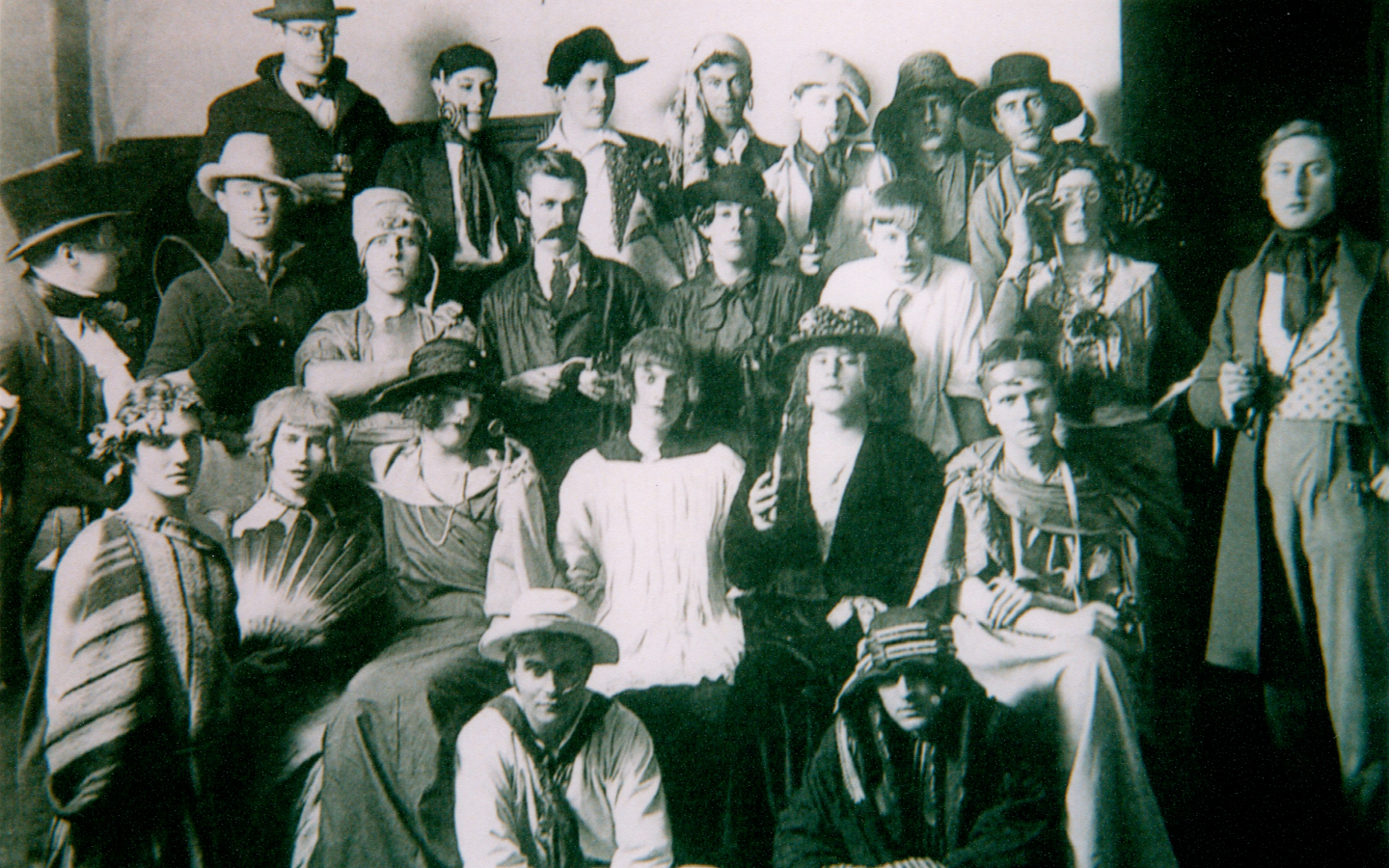
Some older denizens of the Pink Sink belonged to Oxford’s notorious Hypocrites’ Club in the 1920s. The hub of this hedonistic brotherhood was a relation of the playwright: the travel writer Robert Byron (1905-41), one of the first of the Bright Young Things.
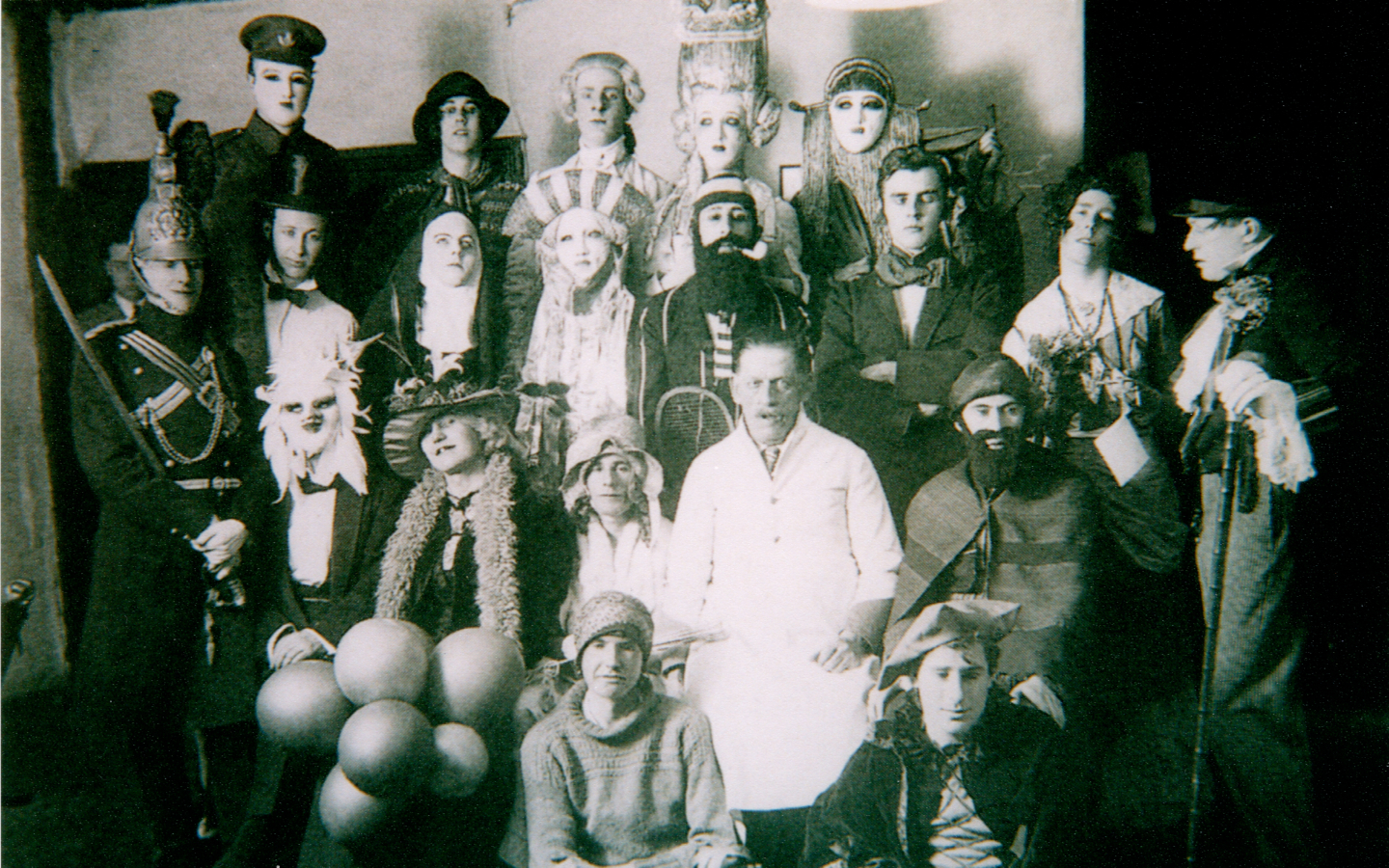
Evelyn Waugh (1903-66) was a member of the Hypocrites’ Club when pursuing a heady affair with Hugh Lygon (1904-36), son of Edomé’s Lord Lygon.
It was members of the Hypocrites’ Club and the Lygon family who inspired Waugh's principal characters in Brideshead Revisited, Black Mischief, Vile Bodies and Decline & Fall.
Well-written and innovatively devised … highly engaging, accessible and poignant. This is quality work that deserves a wide audience … social history that must not be lost.
Mario Deschamps
Development & Production Executive for Radio-Canada TV Drama
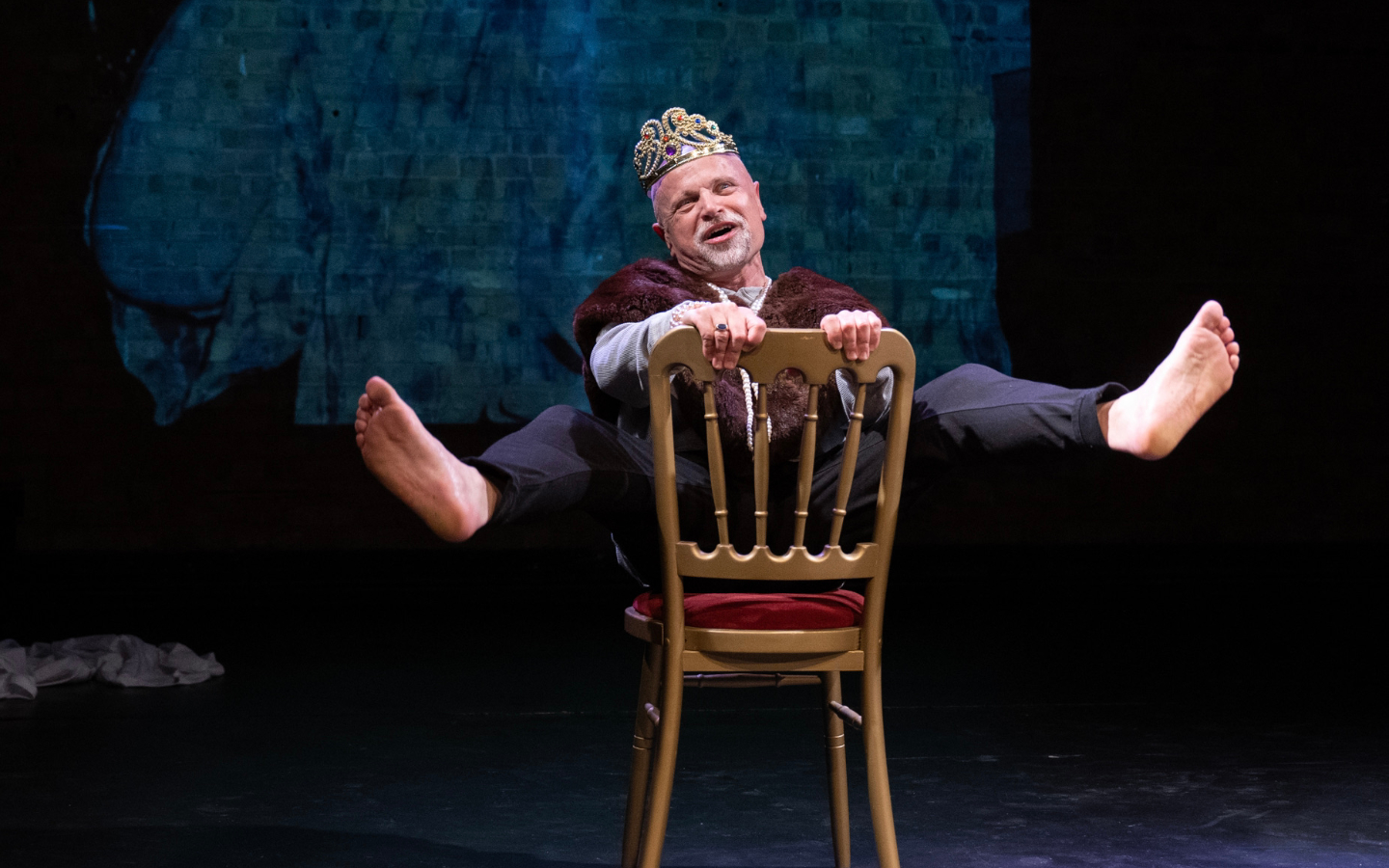
Here at Last is Love will run at The Stables Theatre, Hastings, 25-28 May 2022.
David has ingeniously developed an illuminating new play … [which] throws fresh light on how gay and queer culture has been demonised and buried in our supposedly liberal country … Far from being a history play, this is very much for our times.
– Tony Graham, Director
